
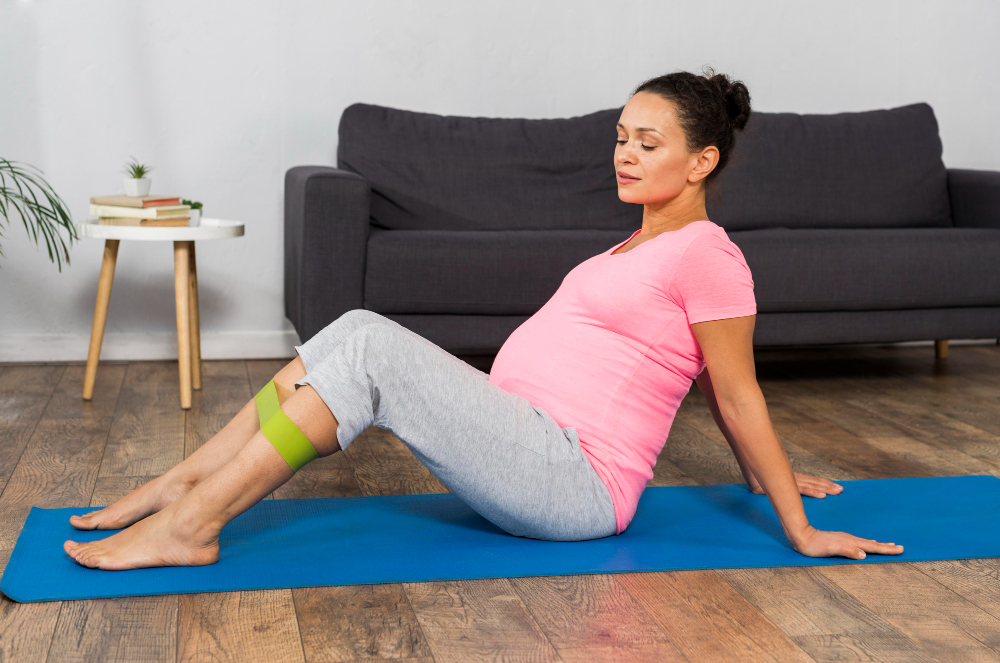
Introduction: What Is the Pelvic Floor and Why Is It Important in Pregnancy?
Your pelvic floor is a group of muscles at the bottom of your pelvis. These muscles support your bladder, uterus, and bowels. During pregnancy, your body changes a lot. Because of this, your pelvic floor works harder. A strong pelvic floor helps you stay comfortable and healthy. In fact, many experts say pelvic floor exercises for pregnancy can make a big difference. Let’s explore why pregnancy pelvic health matters so much.
Benefits of a Strong Pelvic Floor During Pregnancy
Having strong pelvic floor muscles offers many benefits. For example, you may notice:
Additionally, a strong pelvic floor can help prevent problems later. According to the CDC, regular pelvic floor exercises in pregnancy can lower your risk of long-term issues.
Common Issues from Weak Pelvic Floor Muscles
Sometimes, pelvic floor muscles become weak during pregnancy. As a result, you may face some problems, such as:
However, you can often prevent or reduce these issues by caring for your pelvic floor. If you live in a city with pelvic floor physiotherapy, consider asking about local support.
How to Strengthen the Pelvic Floor: Safe Exercises and Tips
Many women wonder how to strengthen their pelvic floor safely. Luckily, there are simple exercises you can do at home. For example, Kegel exercises are a top choice. Here’s how to try them:
Besides Kegels, gentle activities like walking, swimming, or prenatal yoga can help. Always check with your doctor before starting new exercises. If you need more guidance, search for “pelvic floor exercises for pregnancy” or ask a physiotherapist.
Lifestyle Guidance for Pregnant Women
Along with exercises, healthy habits support your pelvic floor. For instance:
Moreover, wearing comfortable shoes and avoiding heavy lifting can protect your pelvic health.
Prevention and Maintenance Tips
To keep your pelvic floor strong, try these tips:
With these steps, you can enjoy the benefits of strong pelvic floor muscles in pregnancy and beyond.
When to Seek Professional Help
Sometimes, you may need extra support. For example, see a healthcare provider if you:
In many cities, pelvic floor physiotherapy is available. Early help can make a big difference. According to the WHO, seeking care early leads to better outcomes.
For personalized pelvic floor guidance during pregnancy, consult a physiotherapist or healthcare provider. Your comfort and health matter every step of the way.
